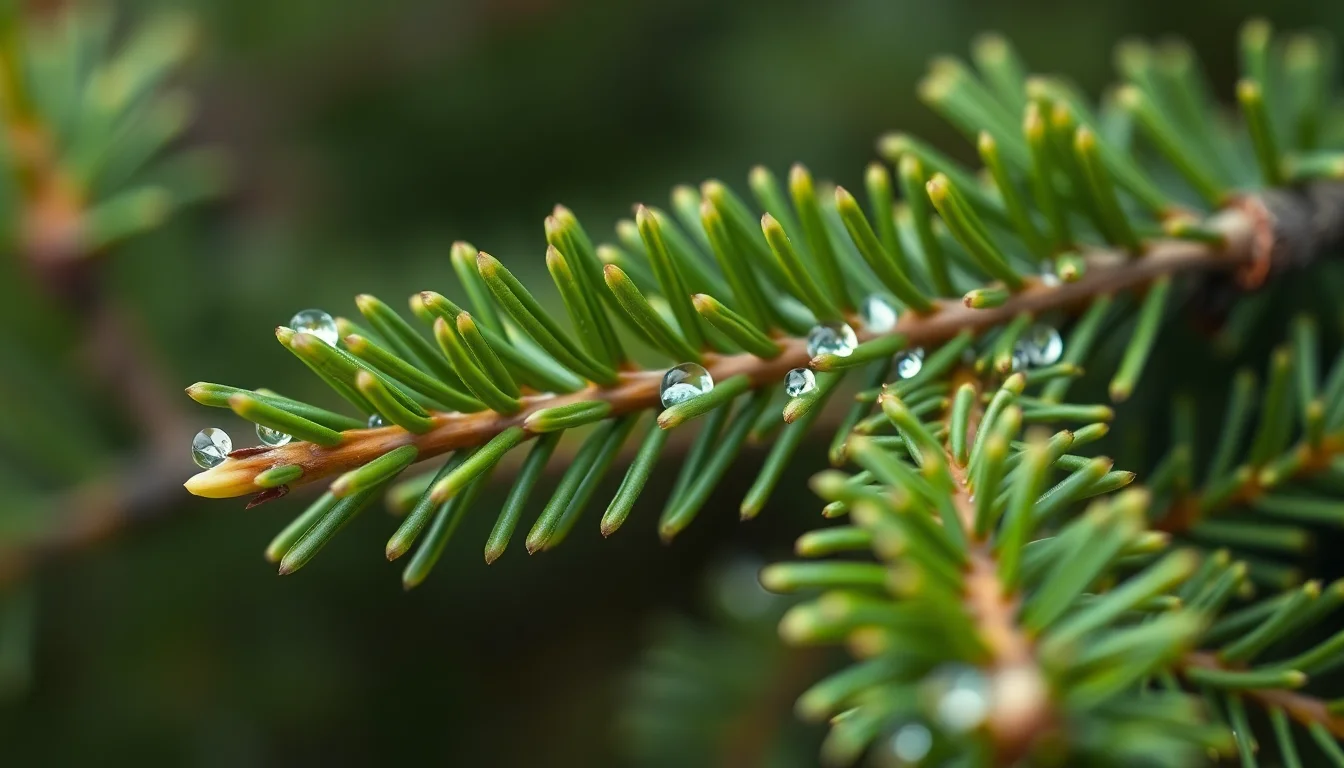
Pine Scotch, absolute (CAS 8023-99-2) — Green Middle to base Note Fragrance Ingredient
Pine Scotch, absolute
CAS 8023-99-2
What Is Pine Scotch, absolute?
Pine Scotch absolute is a rich, resinous extract derived from the needles of Pinus sylvestris trees. People encounter its invigorating scent in forest-inspired perfumes, aromatherapy blends, and natural cleaning products. This ingredient matters because it captures the essence of northern forests – offering both emotional nostalgia and proven antimicrobial properties that make it functional beyond just fragrance.
Safety Profile
USE WITH AWARENESSWhat Does Pine Scotch, absolute Smell Like?
The absolute opens with a crisp, almost metallic pine needle sharpness – like crushing fresh needles between your fingers on a frosty morning. This evolves into a heart of warm, slightly sweet resinous tones reminiscent of sun-warmed tree bark. The dry-down reveals earthy undertones with a subtle leathery nuance, creating a sophisticated forest floor impression that lasts for hours. Unlike synthetic pine notes, it maintains natural complexity with faint whispers of citrus and spice.
In Famous Fragrances
Fragrance associations may not reflect actual formulations.
Used as a crisp counterpoint to vanilla’s sweetness, creating a winter forest effect where pine absolute provides the icy top notes over warm gourmand base.
Forms the core of this dark forest scent, where pine absolute’s resinous depth blends with incense to create cathedral-like woody grandeur.
Chemistry, Properties & Perfumer Guide
The Chemistry
Pine Scotch absolute contains a complex mixture of monoterpenes (α-pinene, β-pinene, Δ3-carene), sesquiterpenes, and resin acids. The extraction process typically involves hydrocarbon solvent extraction of pine needles followed by alcohol washing to remove waxes. Unlike essential oils obtained through distillation, the absolute retains heavier resinous compounds that contribute to its rich, long-lasting character. The exact composition varies significantly by harvest season and tree age.
Physical & Chemical Properties
| Appearance | Viscous greenish-brown liquid |
|---|---|
| Solubility | Soluble in alcohol, insoluble in water |
Key Constituent Properties
| Constituent | CAS | MW | BP °C | XLogP | Vapor P. |
|---|---|---|---|---|---|
| α-Pinene | 80-56-8 | 136.23 | 155 °C | 4.3 | 2.5 mmHg |
| β-Pinene | 127-91-3 | 136.23 | 165 °C | 4.0 | 1.5 mmHg |
Perfumer Guide
| Application | Typical % | Range | Notes |
|---|---|---|---|
| Fine Fragrance | 0.5-2% | Up to 5% | Provides natural forest accords |
| Home Fragrance | 1-3% | Up to 8% | Creates authentic outdoor scents |
Classic Accords
Tip: Use with citrus top notes to brighten the pine character and prevent excessive heaviness.
Alternatives & Comparisons
Lighter, more volatile option when a brighter pine top note is needed without the absolute’s resinous depth.
Safety, Regulatory & Sustainability
⚠ Regulatory Disclaimer
General reference only. Consult current IFRA Standards Library before formulating.
IFRA Status
No IFRA restrictions. Contains naturally occurring allergens (limonene, pinene) below restriction thresholds.
EU Allergen Declaration
Contains limonene (≥0.1%) and pinene compounds that require allergen labeling in EU.
GHS Classification
RIFM Assessment
RIFM assessment confirms safe use at current industry levels with proper allergen labeling.
Sustainability
Sustainably harvested from managed forests in Scandinavia. Yield is relatively low (0.2-0.5% of fresh needles), making it resource-intensive. Some producers are developing CO2 extraction methods to reduce solvent use. Synthetic alternatives exist but lack the natural complexity.
Explore Pine Scotch, absolute
Browse essential oils and aroma compounds.
Browse on iHerb →Affiliate disclosure: we may earn a small commission at no extra cost to you.
References
- Sell C. (2010). The Chemistry of Fragrances. RSC Publishing. ISBN 978-1-84755-829-1
Data: PubChem (NIH), PubMed, RIFM, IFRA. Last reviewed: Apr 2026.
Report a data errorIngredient Data Sheet
CAS 8023-99-2Odor & Flavor
| The oil is obtained by steam distillation of the comminuted leaves (needles). It has a characteristic turpentine odor. It is produced mainly in Tyrol, Russia and the former Yugoslavia.📖 Fenaroli |
Regulatory Status
| IOFI Classification | Natural📖 Fenaroli |
Physical data: PubChem (NIH/NLM), U.S. EPA CompTox Dashboard, EPA OPERA models, RDKit. Odor & flavor: Arctander (Perfume & Flavor Chemicals), Fenaroli's Handbook of Flavor Ingredients, Leffingwell. Thresholds: van Gemert (Compilations of Odour Threshold Values). Regulatory: IFRA Standards 51st, FEMA GRAS. Trade names: Surburg (Common Fragrance & Flavor Materials). All data compiled and cross-referenced for perfumertools.com.