Mentha arvensis oil, terpeneless (CAS 68917-14-6) — Green Top Note Fragrance Ingredient
Mentha arvensis oil, terpeneless
CAS 68917-14-6
What Is Mentha arvensis oil, terpeneless?
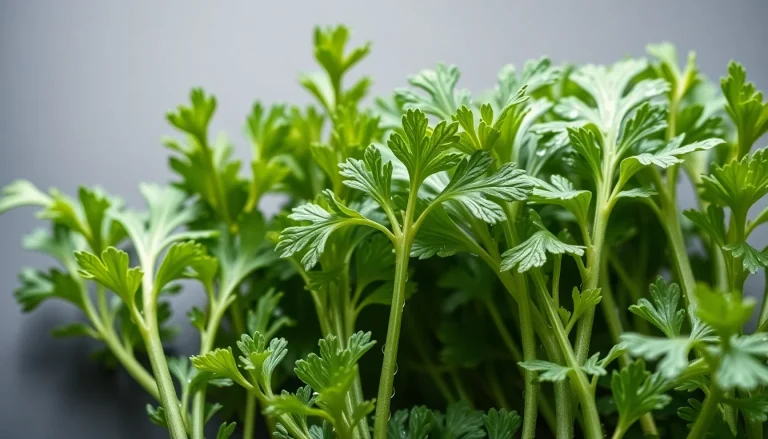
Mentha arvensis oil, terpeneless is a refined version of Japanese mint oil with most terpenes removed. You’ll encounter it in chewing gums, toothpaste, and some herbal fragrances. This processing creates a smoother, more concentrated mint character than regular mint oils.
Safety Profile
GENERALLY SAFEWhat Does Mentha arvensis oil, terpeneless Smell Like?
A crisp, piercing mintiness without the harsh edges of unprocessed oils. Imagine frozen peppermint leaves crushed between frosted glass – all the icy freshness but none of the green bitterness. The terpeneless process amplifies the cooling menthol effect while muting the camphorous undertones, leaving a pure, almost metallic mint that lingers like winter air in your sinuses.
In Famous Fragrances
Fragrance associations may not reflect actual formulations.
Provides the bracing mint top note that makes this aquatic classic feel like an Arctic breeze. The terpeneless version ensures longevity without overwhelming the delicate marine accord.
Forms the crystalline mint heart that mimics morning dew on crushed herbs. Its purity allows the green tea and lemon to shine through.
Chemistry, Properties & Perfumer Guide
The Chemistry
Produced by distilling Mentha arvensis (corn mint) followed by fractional distillation or molecular distillation to remove α-pinene, limonene and other terpenes. This concentrates the oxygenated compounds like menthol (typically 70-90% remaining) while reducing the oil’s volatility. The process also eliminates some of the harsher sulfur compounds found in crude mint oils.
Physical & Chemical Properties
| Appearance | Colorless to pale yellow liquid |
|---|---|
| Solubility | Soluble in alcohol, slightly soluble in water |
Perfumer Guide
| Application | Typical % | Range | Notes |
|---|---|---|---|
| Oral Care | 0.5-2% | Up to 5% | Provides cooling without bitterness |
| Fine Fragrance | 0.1-0.5% | Up to 1% | Used sparingly for lift |
Classic Accords
Tip: Pre-dilute to 10% in ethanol to prevent crystallization in final products.
Alternatives & Comparisons
Peppermint-derived with sweeter, more rounded profile. Use when a less aggressive mint is desired.
Safety, Regulatory & Sustainability
⚠ Regulatory Disclaimer
General reference only. Consult current IFRA Standards Library before formulating.
IFRA Status
No restrictions under IFRA standards.
GHS Classification
RIFM Assessment
Considered safe at current usage levels by RIFM. No significant dermal absorption concerns.
Sustainability
Most commercial production occurs in India and China, where mint is grown as an annual crop requiring significant water resources. The terpeneless process reduces shipping weight by removing volatile components, but requires additional energy inputs for fractional distillation. Synthetic menthol alternatives exist but lack the complexity of the full oil profile.
Explore Mentha arvensis oil, terpeneless
Browse essential oils and aroma compounds.
Browse on iHerb →Affiliate disclosure: we may earn a small commission at no extra cost to you.
References
- Lawrence, B.M. (2007). Mint: The Genus Mentha. CRC Press. ISBN 9781420006186
Data: PubChem (NIH), PubMed, RIFM, IFRA. Last reviewed: Apr 2026.
Report a data errorIngredient Data Sheet
CAS 68917-14-6Physical data: PubChem (NIH/NLM), U.S. EPA CompTox Dashboard, EPA OPERA models, RDKit. Odor & flavor: Arctander (Perfume & Flavor Chemicals), Fenaroli's Handbook of Flavor Ingredients, Leffingwell. Thresholds: van Gemert (Compilations of Odour Threshold Values). Regulatory: IFRA Standards 51st, FEMA GRAS. Trade names: Surburg (Common Fragrance & Flavor Materials). All data compiled and cross-referenced for perfumertools.com.
Related Research
- 2-Phenylhexanenitrile (CAS 3508-98-3) — Floral Top to middle Note Fragrance Ingredient
- Carob gum (CAS 9000-40-2) — Fragrance Ingredient Profile
- Allyl (3-methylbutoxy)acetate (CAS 67634-00-8) — Green Top-middle Note Fragrance Ingredient
- 3-(o-Ethylphenyl)-2,2-dimethylpropionaldehyde (CAS 67634-14-4) — Floral Top to middle Note Fragrance Ingredient