Mate absolute (CAS 68916-96-1) — Green Middle Note Fragrance Ingredient
Mate absolute
CAS 68916-96-1
What Is Mate absolute?
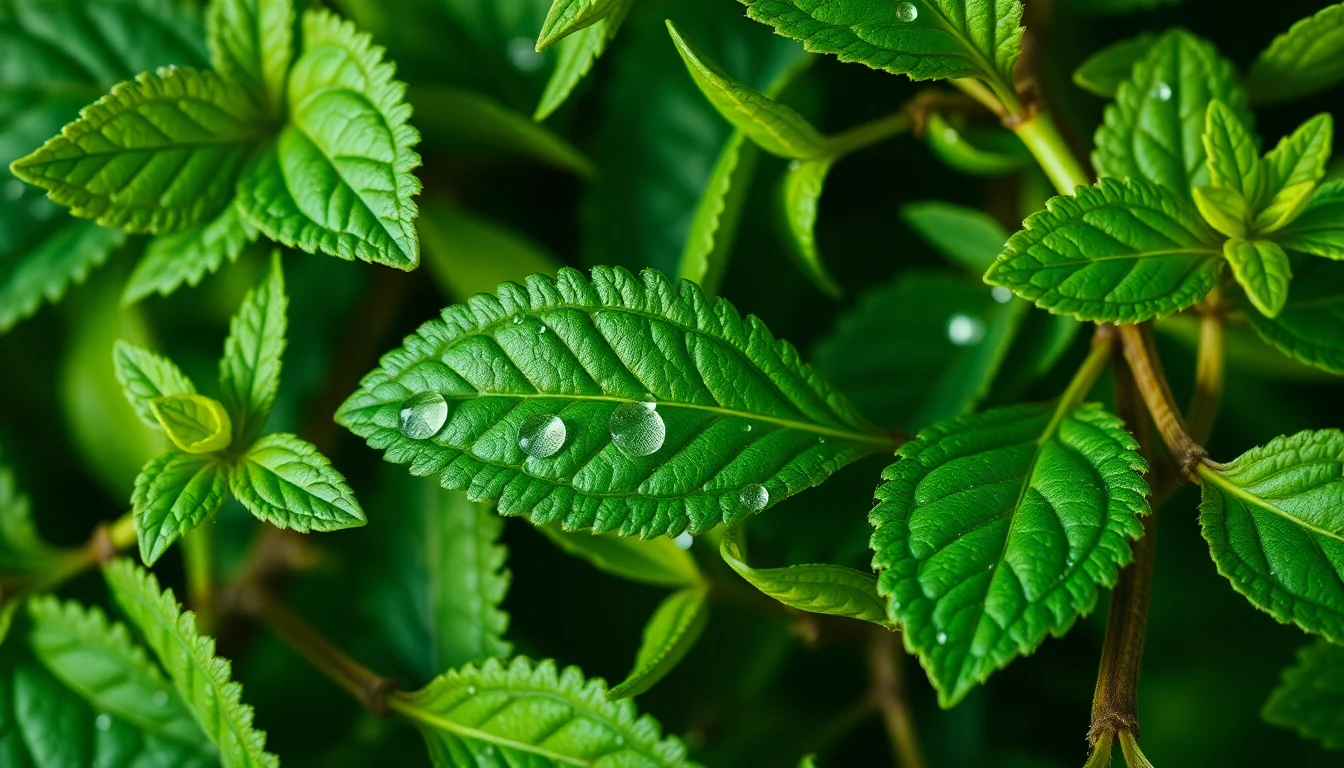
Mate absolute is a rich, aromatic extract derived from the leaves of the yerba mate plant, native to South America. It’s commonly encountered in niche perfumery and herbal tea aromas. This ingredient matters for its unique green, herbaceous character that adds depth and natural complexity to fragrances, evoking the earthy essence of rainforests and traditional mate tea ceremonies.
Safety Profile
USE WITH AWARENESSWhat Does Mate absolute Smell Like?
Mate absolute unfolds with an intensely green, hay-like top note reminiscent of sun-dried grasses and fresh tea leaves. The heart reveals a complex herbal character with nuances of tobacco, dried herbs, and a subtle smokiness. As it dries down, it develops a warm, earthy base with hints of leather and a lingering sweet-herbaceous finish. The overall impression is like walking through a South American rainforest after rain – humid, vegetal, and alive with natural aromatics.
In Famous Fragrances
Fragrance associations may not reflect actual formulations.
This fragrance showcases mate absolute as the star ingredient, capturing the essence of South American mate tea with its green, herbaceous character blended with citrus and woods for a refreshing yet earthy composition.
Mate absolute adds a distinctive vegetal depth to this marine amber fragrance, contributing an unexpected earthy contrast to the salty, woody accords.
Used sparingly to enhance the dry, herbal facets of this desert-inspired scent, mate absolute blends seamlessly with spices and amber to create an arid, sun-baked effect.
Mate absolute contributes to the green, slightly medicinal opening that contrasts with the creamy sandalwood base in this modern cult classic.
The dark, resinous character of mate absolute reinforces the smoky, narcotic quality of this intense fragrance, adding an herbal dimension to the oud and cannabis accords.
Chemistry, Properties & Perfumer Guide
The Chemistry
Mate absolute is obtained through solvent extraction of dried yerba mate leaves (Ilex paraguariensis). The complex mixture contains chlorogenic acids, xanthines (including caffeine and theobromine), and various polyphenols that contribute to its distinctive aroma. The extraction process typically uses hexane or ethanol to capture both volatile and non-volatile components. Unlike steam-distilled mate essential oil, the absolute retains more of the plant’s heavier, waxy constituents that give it depth and tenacity.
Physical & Chemical Properties
| Appearance | Dark green to brown viscous liquid |
|---|---|
| Solubility | Soluble in alcohol, partially soluble in oils |
Perfumer Guide
| Application | Typical % | Range | Notes |
|---|---|---|---|
| Fine Fragrance | 0.5-2% | Up to 5% | Used for herbal-green accents |
| Functional Fragrance | 0.1-0.5% | Up to 1% | Tea and tobacco accords |
| Natural Perfumery | 1-3% | Up to 8% | Central herbal note |
Classic Accords
Tip: Use mate absolute sparingly in citrus compositions to add unexpected depth without overwhelming freshness.
Alternatives & Comparisons
Offers similar smoky-herbal characteristics but with more pronounced woody notes, useful when a drier profile is desired.
Provides a lighter, more delicate green tea character when mate’s intensity needs tempering.
For formulations requiring more pronounced smoky-leathery notes while maintaining herbal complexity.
Safety, Regulatory & Sustainability
⚠ Regulatory Disclaimer
General reference only. Consult current IFRA Standards Library before formulating.
IFRA Status
No specific IFRA restrictions apply to mate absolute under current guidelines (as of 2023).
RIFM Assessment
RIFM has not published a specific safety assessment for mate absolute, though similar plant absolutes are generally recognized as safe at typical usage levels.
Sustainability
Mate absolute is sourced from cultivated yerba mate plants, primarily in Argentina, Paraguay, and Brazil. Sustainable harvesting practices are increasingly common as demand grows. The solvent extraction process requires careful solvent recovery systems to minimize environmental impact. Some producers now offer organic-certified mate absolute to meet eco-conscious market demands.
Explore Mate absolute
Browse essential oils and aroma compounds.
Browse on iHerb →Affiliate disclosure: we may earn a small commission at no extra cost to you.
References
- Bastos et al. (2007). Phytochemical analysis of Ilex paraguariensis. Journal of Agricultural and Food Chemistry. PMID 17685624
- Heck & de Mejia (2007). Yerba Mate Tea. Journal of Food Science. PMID 17995749
Data: PubChem (NIH), PubMed, RIFM, IFRA. Last reviewed: Apr 2026.
Report a data errorIngredient Data Sheet
CAS 68916-96-1Physical data: PubChem (NIH/NLM), U.S. EPA CompTox Dashboard, EPA OPERA models, RDKit. Odor & flavor: Arctander (Perfume & Flavor Chemicals), Fenaroli's Handbook of Flavor Ingredients, Leffingwell. Thresholds: van Gemert (Compilations of Odour Threshold Values). Regulatory: IFRA Standards 51st, FEMA GRAS. Trade names: Surburg (Common Fragrance & Flavor Materials). All data compiled and cross-referenced for perfumertools.com.
Related Research
- Isobornyl methyl ether (CAS 5331-32-8) — Woody Middle Note Fragrance Ingredient
- Propyl hexanoate (CAS 626-77-7) — Sweet Top Note Fragrance Ingredient
- Methyl atrarate (CAS 4707-47-5) — Woody Heart Note Fragrance Ingredient
- 2,3-Dimethylphenol (CAS 526-75-0) — Woody Middle to base Note Fragrance Ingredient