Distillates, petroleum, hydrotreated light (CAS 64742-47-8) — Citrus Base Note Fragrance Ingredient
Distillates, petroleum, hydrotreated light
CAS 64742-47-8
What Is Distillates, petroleum, hydrotreated light?
Hydrotreated light petroleum distillates are refined mineral oils commonly encountered in industrial lubricants, cosmetics, and some household products. While not traditionally used in fine fragrances, they appear as base solvents or carriers in certain perfumery applications. Their importance lies in providing neutral, odorless vehicles for fragrance delivery, though they lack the aromatic complexity of botanical ingredients.
Safety Profile
USE WITH AWARENESSWhat Does Distillates, petroleum, hydrotreated light Smell Like?
Hydrotreated light petroleum distillates are typically odorless or possess an extremely faint, neutral hydrocarbon character. When present in fragrances, they serve as blank canvases that neither contribute nor interfere with scent profiles. Their dry-down is imperceptible, functioning purely as carriers rather than aromatic contributors.
Chemistry, Properties & Perfumer Guide
The Chemistry
These distillates consist of complex mixtures of saturated hydrocarbons obtained through catalytic hydrotreatment of petroleum fractions. The process removes sulfur, nitrogen, and oxygen compounds, yielding materials with consistent boiling ranges. While not single molecules, they are characterized by carbon chain lengths typically between C15-C30.
Physical & Chemical Properties
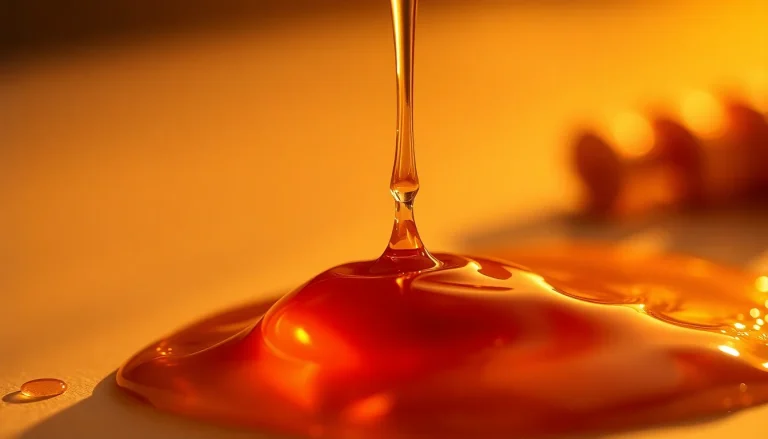
| Appearance | Colorless to pale yellow liquid |
|---|---|
| Boiling Range | Varies by fraction |
| Flash Point | >100°C |
| Viscosity | Low to medium |
Perfumer Guide
| Application | Typical % | Range | Notes |
|---|---|---|---|
| Industrial Fragrances | 50-90% | Variable | Primary carrier solvent |
| Cosmetics | 10-30% | 5-50% | Emollient base |
| Household Products | 20-60% | 10-80% | Fragrance diluent |
Classic Accords
Tip: Use as neutral base for functional fragrances where cost-effectiveness is prioritized over olfactory complexity.
Alternatives & Comparisons
Higher purity alternative for cosmetic applications with stricter regulatory requirements.
Single-component hydrocarbon solvent for precise formulation control in niche applications.
Plant-derived ester alternative for natural formulations requiring biodegradability.
Safety, Regulatory & Sustainability
⚠ Regulatory Disclaimer
General reference only. Consult current IFRA Standards Library before formulating.
IFRA Status
Not specifically restricted by IFRA, but general guidelines for petroleum-derived materials apply.
RIFM Assessment
RIFM has not conducted specific safety assessments on this complex mixture due to its non-aromatic nature.
Sustainability
Petroleum-derived ingredients raise environmental concerns regarding fossil fuel dependence and biodegradability. While hydrotreatment reduces sulfur content, the carbon footprint remains significant compared to renewable alternatives. The industry is gradually shifting toward bio-based solvents where technically feasible.
Explore Distillates, petroleum, hydrotreated light
Browse essential oils and aroma compounds.
Browse on iHerb →Affiliate disclosure: we may earn a small commission at no extra cost to you.
References
- EPA. (2021). Petroleum Hydrocarbon Streams Category. EPA Report
- Cosmetic Ingredient Review. (2019). Safety Assessment of Petroleum-Derived Ingredients. CIR Report
- PubChem. (2023). Hydrotreated Light Petroleum Distillates. PubChem
Data: PubChem (NIH), PubMed, RIFM, IFRA. Last reviewed: Apr 2026.
Report a data errorIngredient Data Sheet
CAS 64742-47-8Physical data: PubChem (NIH/NLM), U.S. EPA CompTox Dashboard, EPA OPERA models, RDKit. Odor & flavor: Arctander (Perfume & Flavor Chemicals), Fenaroli's Handbook of Flavor Ingredients, Leffingwell. Thresholds: van Gemert (Compilations of Odour Threshold Values). Regulatory: IFRA Standards 51st, FEMA GRAS. Trade names: Surburg (Common Fragrance & Flavor Materials). All data compiled and cross-referenced for perfumertools.com.
Related Research
- Tealactone (CAS 15356-74-8) — Green Top to middle Note Fragrance Ingredient
- Peach furanone (CAS 3658-77-3) — Fruity Heart Note Fragrance Ingredient
- Acetaldehyde cyclic propylene glycol acetal (CAS 3390-12-3) — Green Top Note Fragrance Ingredient
- Catnip oil (CAS 8023-84-5) — Green Middle Note Fragrance Ingredient