Carnation Absolute (CAS 8000-63-3) — Floral Heart Note Fragrance Ingredient
Carnation Absolute
CAS 8000-63-3
What Is Carnation Absolute?
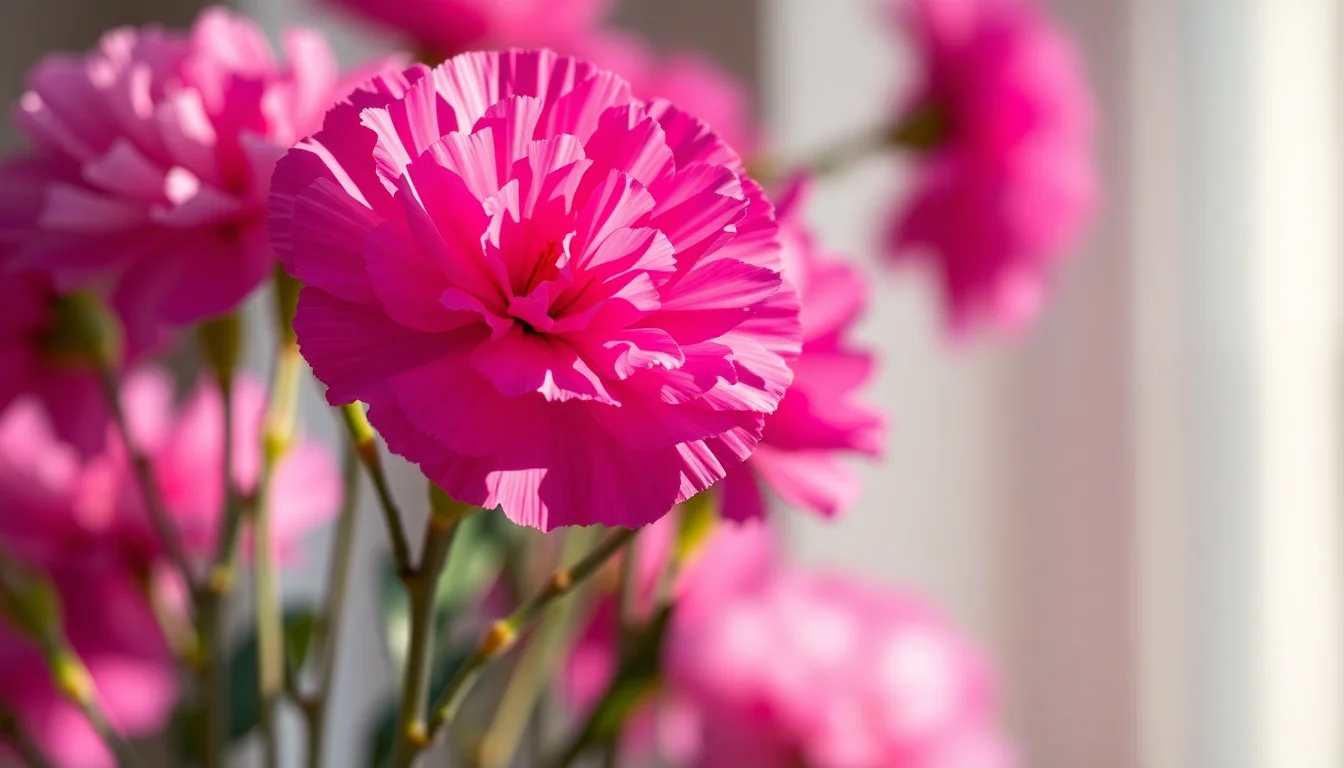
Carnation absolute is a rich, floral extract obtained from carnation flowers (Dianthus caryophyllus). You’ll encounter its spicy, clove-like aroma in luxury perfumes and high-end floral bouquets. This precious material adds depth and complexity to floral compositions. Carnation absolute matters because it captures the true essence of the flower – not just its sweetness, but also its peppery, green, and slightly woody nuances. It’s one of the few floral materials that can bridge between fresh top notes and warm base notes in a fragrance.
Safety Profile
USE WITH AWARENESSWhat Does Carnation Absolute Smell Like?
Carnation absolute unfolds like a floral symphony with spicy undertones. The initial impression is a bold, peppery clove-like burst with a honeyed sweetness. As it evolves, the heart reveals a true carnation character – powdery, slightly rosy, with green stem-like freshness. The dry-down is warm and slightly animalic, with echoes of vanilla and soft woods. Unlike rose or jasmine absolutes, carnation carries an intriguing duality: simultaneously delicate and robust, floral yet spicy. It has excellent tenacity for a floral material, lasting 6-8 hours on a smelling strip.
Scent Profile
In Famous Fragrances
Fragrance associations may not reflect actual formulations.
This legendary spicy floral showcases carnation absolute’s peppery facets, blended with clove and amber to create a warm, vintage character.
Carnation absolute provides the floral-spicy bridge between citrus top notes and woody chypre base in this classic composition.
A carnation soliflore where the absolute’s powdery-spicy character is enhanced with vanilla and musk for a voluptuous effect.
Carnation absolute contributes to the rich, spicy oriental bouquet, complementing the cinnamon and clove notes.
One of the first perfumes to use carnation absolute, where its spicy warmth balances the lavender-citrus opening.
Chemistry, Properties & Perfumer Guide
The Chemistry
Carnation absolute is obtained through solvent extraction of Dianthus caryophyllus flowers, yielding a complex mixture of aromatic compounds. The key odorants include eugenol (spicy clove character), benzyl benzoate (sweet balsamic), and methyl salicylate (wintergreen nuance). Unlike steam-distilled carnation oil, the absolute retains heavier molecules like phytol that contribute to its green, stem-like facets. Modern analytical techniques have identified over 200 constituents, including sesquiterpenes and phenylpropanoids that create its characteristic depth. The exact composition varies based on cultivar and extraction methods.
Chemical Composition
Physical & Chemical Properties
| Appearance | Dark orange-brown viscous liquid |
|---|---|
| Flash Point | >100 °C |
| Solubility | Soluble in ethanol, fixed oils; insoluble in water |
Key Constituent Properties
| Constituent | CAS | MW | BP °C | XLogP | Vapor P. |
|---|---|---|---|---|---|
| Eugenol | 97-53-0 | 164.20 | 253 °C | 2.2 | 0.01 mmHg |
| Benzyl benzoate | 120-51-4 | 212.25 | 323 °C | 3.0 | 0.0003 mmHg |
Perfumer Guide
| Application | Typical % | Range | Notes |
|---|---|---|---|
| Fine Fragrance | 0.5-2% | Up to 5% | Adds spicy floral complexity |
| Soap/Cosmetics | 0.1-0.5% | Up to 1% | Use cautiously due to potential sensitization |
| Candles | 1-3% | Up to 5% | Performs well in hot throw |
Classic Accords
Tip: Balance carnation’s spicy intensity with softer florals like rose or ylang-ylang to prevent overpowering a composition.
Alternatives & Comparisons
For focusing just on the spicy clove character without the full floral complexity of carnation absolute.
A synthetic carnation reconstruction that avoids natural material variability and allergen concerns.
When a more straightforward spicy profile is needed, though lacks carnation’s floral nuances.
Safety, Regulatory & Sustainability
⚠ Regulatory Disclaimer
General reference only. IFRA, REACH, EU Cosmetics Regulation standards update periodically. Consult current IFRA Standards Library before formulating. Not legal or regulatory advice.
IFRA Status
Not currently restricted by IFRA, but eugenol content means it falls under allergen labeling requirements.
EU Allergen Declaration
Contains eugenol (>0.1%) – must be declared under EU allergen labeling regulations.
GHS Classification
RIFM Assessment
RIFM has evaluated carnation absolute as safe for use at current industry levels, with proper allergen labeling.
Sustainability
Carnation absolute production is labor-intensive, requiring hand-harvesting of flowers at peak bloom. Approximately 1000 kg of flowers yield just 1 kg of absolute. Some producers are developing sustainable farming practices to reduce water usage and pesticide needs. Synthetic carnation bases offer an alternative with consistent quality and lower environmental impact, though lack the full complexity of natural absolute.
Explore Carnation Absolute
Browse essential oils and aroma compounds.
Browse on iHerb →Affiliate disclosure: we may earn a small commission at no extra cost to you.
References
- Joulain & Tabacchi (2009). Lichen extracts as raw materials in perfumery. Flavour and Fragrance Journal. DOI:10.1002/ffj.1915
- Bickers et al. (2005). The safety assessment of fragrance materials. Regulatory Toxicology and Pharmacology. PMID 15649877
- Arctander S. (1960). Perfume and Flavor Materials of Natural Origin.
Data: PubChem (NIH), PubMed, RIFM, IFRA. Last reviewed: Mar 2026.
Report a data errorIngredient Data Sheet
CAS 8000-63-3Physical data: PubChem (NIH/NLM), U.S. EPA CompTox Dashboard, EPA OPERA models, RDKit. Odor & flavor: Arctander (Perfume & Flavor Chemicals), Fenaroli's Handbook of Flavor Ingredients, Leffingwell. Thresholds: van Gemert (Compilations of Odour Threshold Values). Regulatory: IFRA Standards 51st, FEMA GRAS. Trade names: Surburg (Common Fragrance & Flavor Materials). All data compiled and cross-referenced for perfumertools.com.
Related Research
- Cyclohexene, 1-methyl-4-(1-methylethenyl)-, sulfurized (CAS 68921-26-6) — Woody Base Note Fragrance Ingredient
- Tuberose absolute (CAS 8024-05-03) — Floral Middle to base Note Fragrance Ingredient
- Cassyrane (CAS 871465-49-5) — Woody Base Note Fragrance Ingredient
- Citronellyl Acetate (CAS 150-84-5) — Floral Heart Note Fragrance Ingredient